
Air purifiers are essential for maintaining a healthy indoor environment, but finding trustworthy information about them can be challenging. In this blog post, we will dive into Tier #4 of the air purifier industry source rankings, focusing on General Influencers. These individuals can range from bloggers to social media personalities, and while they may sometimes provide valuable insights, it’s crucial to approach their reviews with caution.
Who Are General Influencers?
General Influencers are defined as individuals who have a presence on platforms like YouTube, TikTok, blogs, or Instagram. They often touch on various topics, and air purification is just one of them. The key characteristics of these influencers include:
- Limited experience with air purifiers, often only posting about them occasionally.
- Receiving air purifiers for free from companies for review purposes.
- Potentially earning commissions on sales through their positive reviews.
- Creating at least one piece of content related to air purification.
While some General Influencers can offer honest opinions, it’s essential to be mindful of the potential biases that come from receiving free products or commissions.
The Risks of Relying on General Influencers
One significant issue with General Influencers is that their motivation can skew the information they provide. Since many receive air purifiers for free or are paid for positive reviews, they may be inclined to present overly favorable opinions. This trend can lead to the spread of misinformation, making it difficult for consumers to make informed decisions.
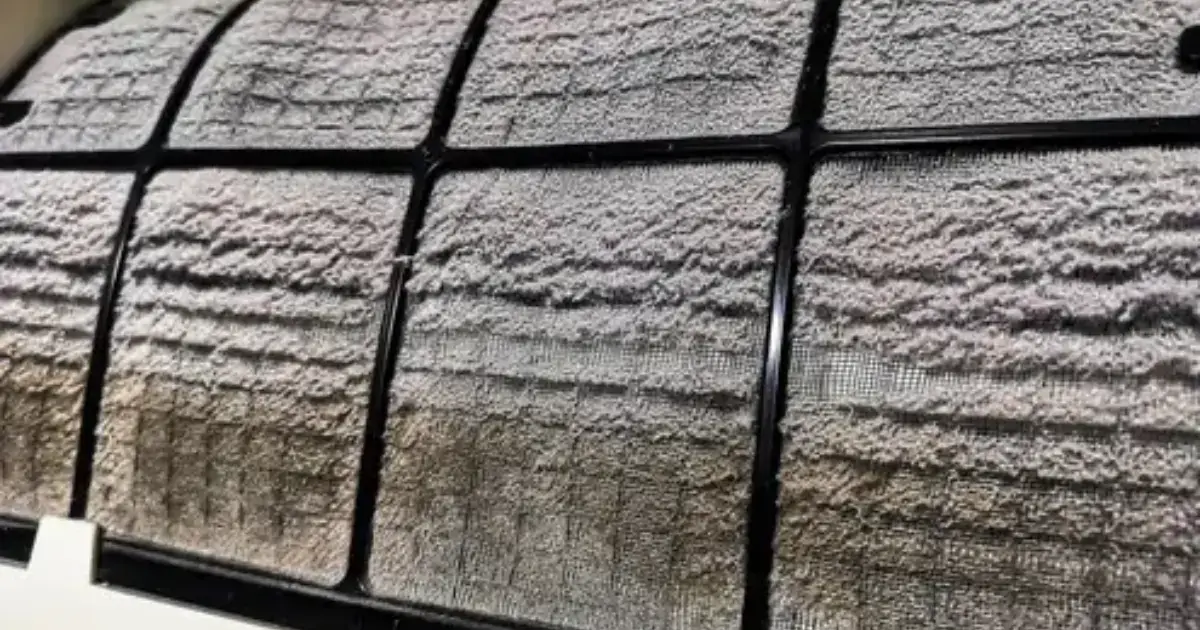
For instance, consider a popular influencer named “Crunchy Mama.” With tens of thousands of social media followers, she created a blog post showcasing her AirDoctor air purifier’s dirty prefilter. The images displayed an alarming amount of debris, which raises suspicions about the authenticity of her review. In 17 years, I’ve never seen a prefilter that had so much dust, dirt and debris on it. How is it possible that a prefilter in a residential home could get so dirty?
Comparing Real-Life Results
To illustrate the point, let’s compare the debris buildup on two different air purifiers in a typical household. I ran a Winix 5500 and a Coway Mighty for five months straight without cleaning the prefilters. Here’s what I found:
- The Winix 5500’s prefilter, which ran 24/7 on high speed, displayed a significant amount of dust buildup.
- The Coway Mighty, placed near the front door, showed similar results after the same duration.
However, when we placed the images of the debris buildup on my two air purifier’s prefilters alongside the dirty prefilter from Crunchy Mama’s Air Doctor, the discrepancies were striking. Despite her claims, the ridiculous amount of debris on her prefilter seemed exaggerated compared to what I observed on the dirty prefilters in my two air purifiers
Understanding the Impact of Environment
It’s important to note that environmental factors play a significant role in how much debris accumulates in an air purifier’s prefilter. For example, Crunchy Mama has a dog, which can contribute to increased hair and dander in the air. However, even with pets, the level of debris she presented seemed sensationalized.
I’ve seen prefilters from other homes with multiple pets that did not exhibit nearly the same amount of dirt and debris. This discrepancy raises questions about the authenticity of her review and whether it was influenced by the 15% commission offered to influencers by Air Doctor, the manufacturer.
The Dangers of Sensationalism
General Influencers may unintentionally promote sensationalism. They might believe that a dirty prefilter is a sign of an effective air purifier, but this isn’t necessarily true. All air purifiers accumulate dust on their prefilters, regardless of their price point or actual filtration abilities. Whether it’s a budget-friendly model or a high-end unit, dust buildup on the prefilter is inevitable. But this will NOT tell us how well an air filtration solution actually filters.
In fact, I demonstrated in a video that even portable heaters and inexpensive fans with prefilters will show dust accumulation over time. This just drives the point home, that a dusty/dirty prefilter is not an accurate measure of an air purifier’s effectiveness.
Finding Reliable Sources
With so many influencers providing varying degrees of information, it’s vital to sift through the noise to find reliable sources. Tier #4 influencers sometimes can offer some decent reviews. However, because they typically lack even general knowledge of foundational air filtration principles, their insights and recommendations should be taken with a grain of salt.
When searching for information on air purifiers, consider the following tips:
- Look for influencers or sources who specialize in air purification and have reviewed multiple units in the past. Real world experience with many different air purifiers, over time, increases a reviewers overall knowledge of the industry.
- If the Influencer/reviewer only has “good” things to say about an air purifier without any negative insights – that would raise a red flag, for me. I’d say they are being too biased as there is NO such thing as a “perfect” air purifier. ALL air filtration solutions have Pros and Cons.
- The product reviewers are supposed to mention if they received an air purifier for free and/or if they are being compensated for their review. If they did, in fact, receive the air purifier for free then I would have a hard time trusting anything they say about it. Because an air purifier manufacturer is typically NOT going to send a free unit without the understanding that they want a “positive” review.
- This is why I always pay for all the air purifiers I review on my YouTube channel. I do not accept any “free” units from manufacturers. I always want to provide my 100% honest opinions on the effectiveness of the solutions.
Last Words
General Influencers are oftentimes trying to “monetize” their followings with their air purifier reviews so, their reviews should be approached with caution. While they can sometimes provide some useful insights, the potential for bias and sensationalism makes it crucial for consumers to do additional research. By understanding the limitations and potential biases of these influencers, you can make more informed decisions about which air purifiers will best suit your needs.
In the next tier of the air purifier industry source rankings, we will explore more reliable sources of information. This ranking may surprise many, as it did me. Stay tuned for more insights into the world of air purification.
For more information on air quality solutions, you can check out our Air Quality Solutions Guide or explore our best air purifier rankings.
Frequently Asked Questions (FAQs)
1. What are “General Influencers” in the air purifier industry?
General Influencers are creators on platforms like YouTube, TikTok, Instagram, and blogs who occasionally review air purifiers but do not specialize in air filtration. They typically cover many unrelated topics, may receive free units, and often earn commissions from sales.
2. Are General Influencers reliable for air purifier reviews?
They can offer useful observations, but reliability varies widely. Many have limited experience, review only a handful of units, and may be influenced by free products or commission incentives, which can create bias.
3. Why can influencer air purifier reviews be misleading?
Reviews may become skewed when a company sends a free unit or pays for a positive review. Influencers may unintentionally exaggerate performance claims, use dramatic visuals (like extremely dirty prefilters), or omit the downsides of a product.
4. Does a dirty prefilter mean an air purifier is working well?
No. All prefilters—whether on inexpensive fans or high-end purifiers—will gather dust over time. Dust on a prefilter does not reveal how well the unit filters ultrafine particles, which is the real measure of performance.
5. What should consumers watch out for in influencer air purifier reviews?
Look for these red flags:
- Oversimplified conclusions (e.g., “Look how dirty the filter is—this means it works great!”)
- Only positive feedback with very little or no criticism
- No disclosure about receiving a free unit
- Limited experience reviewing multiple brands
- Sensational visuals or claims
6. How can buyers find more reliable air purifier information?
Seek reviewers who:
- Have long-term, hands-on experience with many air purifier models
- Purchase units with their own money
- Explain both pros and cons
- Understand foundational concepts like ACH, filter density, carbon weight, and real-world performance
- Do not rely solely on commissions or gifted products
7. Where can I find reliable air-purifier rankings and discount codes?
You can view updated air-purifier rankings and use the Airpura discount code DZAIR10 for 10% off at Airpura.com via Air Purification Education. You can use AllerAir discount code DZAIR15 for 15% off at AllerAir.com. And you can use Clean Air Kits discount code DZAIR5 for 5% off at CleanAirKits.com.